연구 배경 및 원리 (Background & Mechanisms)
그동안 현대 의학은 우리 몸의 모든 뼈 안에 있는 골수가 거의 동일한 방식으로 혈액 세포를 생성한다고 가정해 왔습니다. 하지만 신시내티 아동 병원(Cincinnati Children’s) 연구팀이 주도한 최신 연구는 이러한 통념을 완전히 뒤집었습니다. 연구진은 공초점 현미경 이미징(Confocal Imaging Microscopy) 기술과 특정 유전자 마커인 ‘ESAM’을 활용하여 쥐의 전신 골격 내 혈액 생성 과정을 시각화하는 데 성공했습니다.
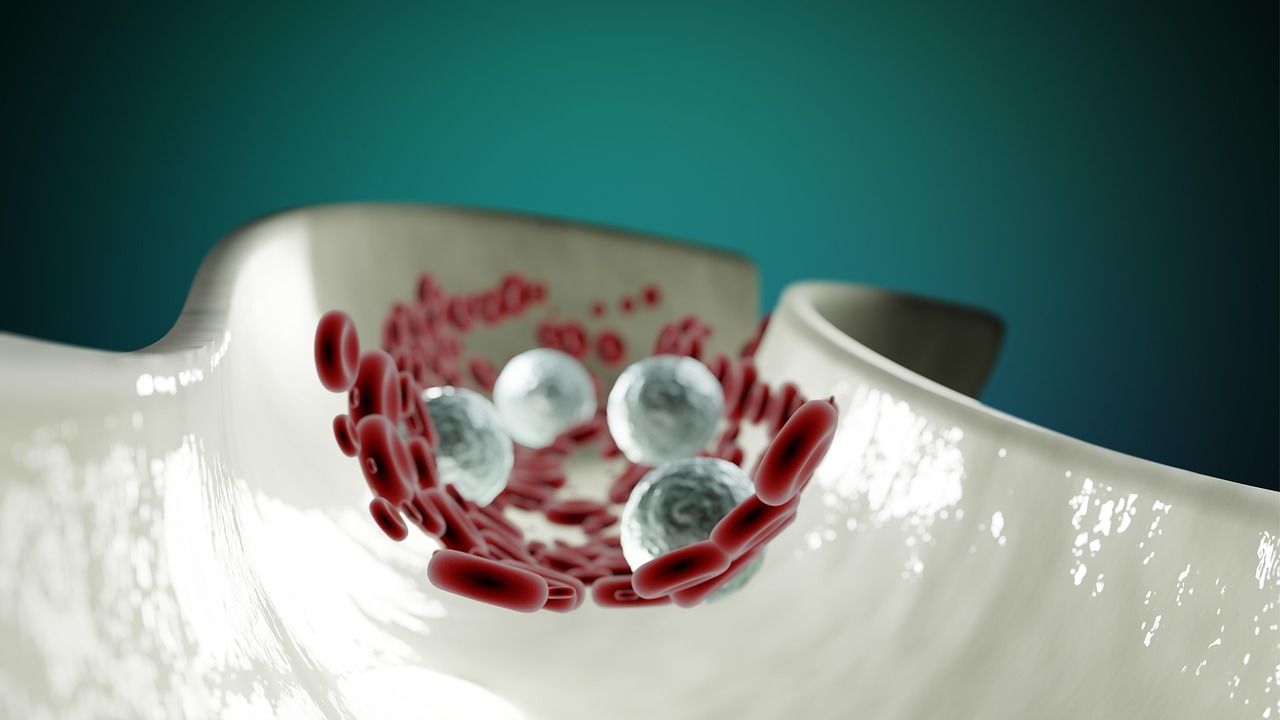
이 기술적 혁신을 통해 연구진은 골수 내부에 존재하는 수많은 세포 다발과 미세 환경을 정밀하게 관찰할 수 있었습니다. 특히 혈액 세포가 성숙해지는 과정에서 이동하는 미세 환경, 즉 ‘시누소이드(Sinusoids, 정맥동)’와 ‘동맥(Arterioles)’의 구조적 차이가 어떤 유형의 혈액 세포(산소를 운반하는 적혈구 혹은 감염에 맞서는 백혈구 등)를 생산할지 결정한다는 원리를 밝혀냈습니다.
이러한 메커니즘의 발견은 골수가 단순히 세포를 찍어내는 공장이 아니라, 전신의 뼈 부위에 따라 특화된 기능을 수행하는 정교하고 유연한 네트워크라는 사실을 시사합니다. 이는 조혈 시스템의 해부학적 구조가 우리가 생각했던 것보다 훨씬 더 ‘우아하고’ ‘회복력이 강하다’는 것을 보여주는 결과입니다.
핵심 발견 및 의미 (Key Findings & Significance)
연구의 가장 놀라운 발견은 혈액 손실, 감염, 약물 투여와 같은 외부 스트레스에 대해 각 뼈가 반응하는 방식이 제각각이라는 점입니다. 예를 들어, 갑작스러운 출혈이 발생했을 때 흉골, 경골, 척추, 상완골은 즉각적으로 적혈구 생산을 가속화했지만, 두개골은 거의 반응하지 않았습니다.
또한, 화학요법 후 백혈구 생성을 돕기 위해 처방되는 G-CSF(과립구 집락 자극 인자)를 투여했을 때, 장골(다리 뼈 등)에서는 호중구 생성이 폭발적으로 증가한 반면, 같은 개체의 흉골에서는 오히려 해당 세포 생성이 급격히 감소하는 상반된 현상이 관찰되었습니다. 이는 노화에 따른 조혈 과정의 변화에서도 부위별 차이가 명확하게 나타났습니다.
이러한 발견은 임상 의학에 중대한 시사점을 던집니다. 현재 대부분의 골수 검사는 특정 부위(주로 골반이나 대퇴골)의 샘플만을 채취하여 전신의 상태를 추정합니다. 하지만 이번 연구 결과는 특정 부위의 생검만으로는 질병이 전신 조혈 시스템에 미친 영향을 완전히 파악하기 어렵다는 것을 증명합니다. 즉, 특정 질환이나 감염 시 특정 뼈를 타겟으로 한 정밀 치료가 필요할 수 있음을 의미합니다.
결론 및 요약 (Conclusion)
이번 연구는 골수 생물학의 패러다임을 ‘균일성’에서 ‘다양성’으로 전환시켰습니다. 전신 골격이 각기 다른 외부 위협에 맞춤형으로 대응한다는 사실은 향후 정밀 의료의 새로운 지평을 열 것으로 기대됩니다.
연구진은 장기적으로 특정 유형의 혈액 세포 생성을 자극하기 위해 특정 뼈 부위를 공략하는 정밀 치료법이 개발될 것으로 내다보고 있습니다. 심지어 수혈을 위한 적혈구를 직접 생산할 수 있는 ‘인공 뼈’ 개발의 가능성까지 언급되고 있습니다.
결론적으로, 우리는 이제 뼈를 단순한 지지 구조물이 아닌, 전신 면역과 대사를 조절하는 능동적인 ‘다기관 시스템’으로 인식해야 합니다. 예방 의학적 관점에서 전신 골격 건강을 유지하는 것은 곧 우리 몸의 혈액 생성 능력과 스트레스 대응력을 지키는 핵심 전략이 될 것입니다.
📌 Bioscience Action (실천 가이드)
- 단순한 골밀도 수치에 안주하지 말고, 전신 염증 관리와 규칙적인 운동을 통해 골수의 조혈 환경을 최적으로 유지하십시오.
- 감염이나 출혈 등 신체적 스트레스 이후에는 특정 뼈에 국한되지 않는 전신적인 회복 영양 전략(철분, 비타민 B12 등)을 수립하십시오.
- 정밀 건강 검진 시 골수 생검 결과가 특정 부위(주로 골반)의 상태만을 반영할 수 있음을 인지하고, 전문의와 다각적인 진단 가능성을 상의하십시오.
🌐 English Brief & Scientific Abstract
Scientific Background & Core Discovery
A groundbreaking study published in *Nature* by researchers at Cincinnati Children’s has revealed that blood cell formation (hematopoiesis) is not a uniform process across the skeleton. Utilizing advanced confocal imaging and the genetic marker ESAM, the team mapped the “elegant” and “resilient” anatomy of bone marrow in unprecedented detail. They discovered that different microenvironments within the marrow, such as sinusoids and arterioles, dictate the fate of progenitor cells, determining whether they become oxygen-carrying red blood cells or infection-fighting white blood cells.
The core discovery lies in the functional heterogeneity of the skeleton. The research team demonstrated that bone marrow functions as a highly responsive and durable network, yet its response to physiological stress—such as blood loss, infection (L. monocytogenes), or medical treatments (G-CSF)—varies dramatically depending on the specific bone location. This challenges the long-standing scientific assumption that marrow from one bone (like the femur) represents the entire system.
Clinical Translation & Daily Application
The implications for clinical medicine are profound. Currently, bone marrow biopsies are typically taken from a single site, but this study suggests that such samples may provide an incomplete picture of how a disease or insult has affected the whole-body blood production system. For instance, while the sternum and tibia might ramp up red blood cell production after blood loss, the skull remains relatively inactive. Conversely, G-CSF treatment can stimulate white blood cell growth in long bones while simultaneously reducing it in the sternum.
For longevity and preventive health, this highlights the importance of maintaining systemic skeletal health. Future precision medicine may involve targeting specific bones to stimulate the production of particular blood cells. In the meantime, individuals should recognize that their “blood health” is a distributed effort across the entire skeleton, requiring a holistic approach to nutrition, inflammation management, and physical activity to support the diverse microenvironments where our life-sustaining blood is born.
요약 (Summary)
🩸 우리 몸의 뼈마다 혈액 세포를 생성하는 방식과 스트레스에 대응하는 기전이 각기 다르다는 사실이 네이처(Nature)지를 통해 밝혀졌습니다. 이제는 단순한 골수 검사를 넘어 특정 골격 부위를 타겟팅하는 정밀 치료가 필요하며, 전신 뼈 건강을 면역력의 핵심으로 관리해야 합니다.
—
– Bioscience Post는 Doctor J가 작성 및 번역한 과학/건강 참고 자료이며, 전문의의 진단과 처방을 대체할 수 없습니다.