연구 배경 및 원리 (Background & Mechanisms)
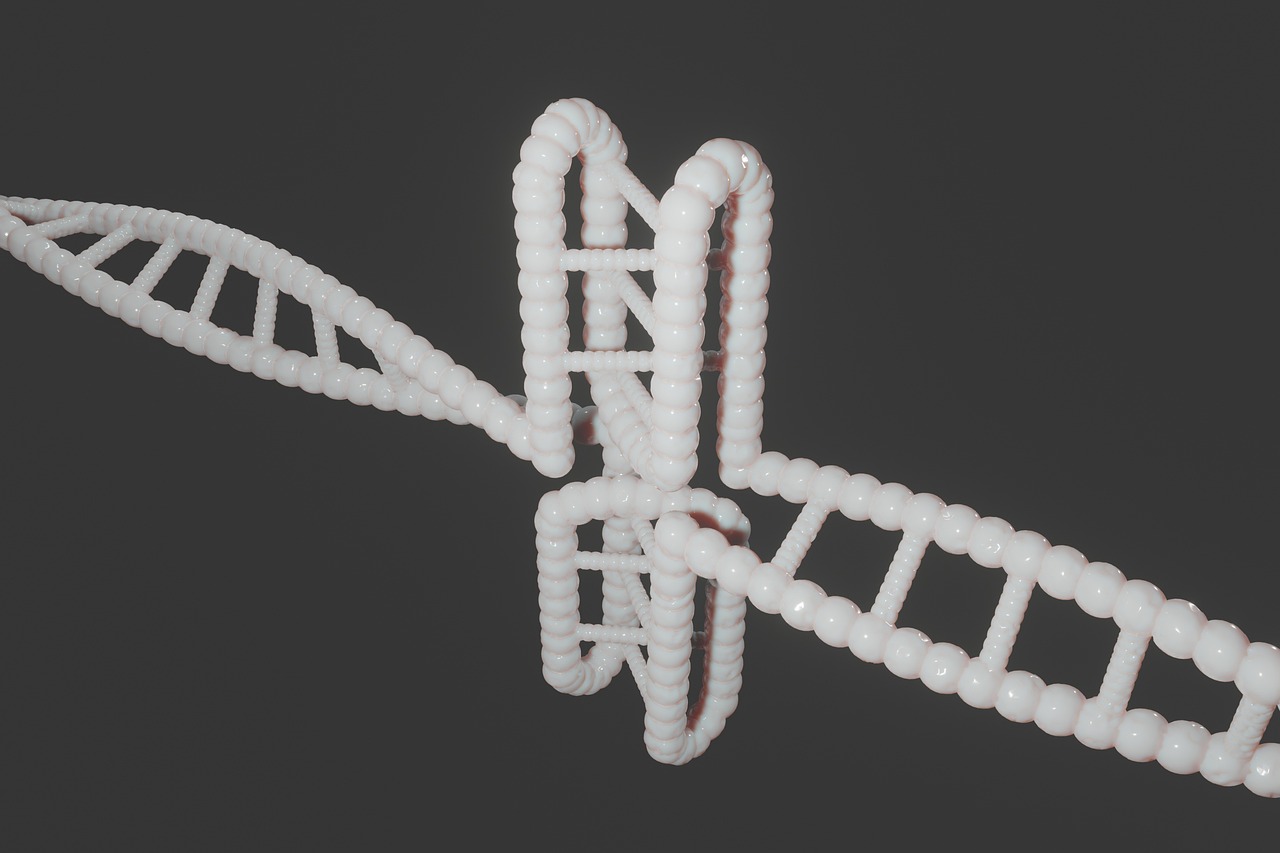
지난 수십 년간 암 연구는 주로 염색체 내부에 위치한 유전자 돌연변이에 집중해 왔습니다. 하지만 최근 암 연구의 패러다임을 뒤흔드는 핵심 동력으로 ‘염색체 외 DNA(extrachromosomal DNA, ecDNA)’가 부상했습니다. ecDNA는 일반적인 염색체 구조에서 벗어나 고리 형태로 존재하는 DNA 조각으로, 암세포의 핵 안에서 독립적으로 존재하며 증식합니다.
이러한 ecDNA의 가장 위협적인 특징은 ‘비멘델식 유전(Non-Mendelian inheritance)’입니다. 세포가 분열할 때 염색체는 딸세포에 균등하게 배분되지만, ecDNA는 무작위로 분배됩니다. 이로 인해 특정 암세포는 폭발적인 수의 발암 유전자(oncogene) 복제본을 갖게 되며, 이는 암세포의 생존력과 공격성을 극대화하는 결과를 초래합니다.
핵심 발견 및 의미 (Key Findings & Significance)
이번 연구는 ecDNA가 암의 발생부터 전이, 그리고 항암제 내성 획득에 이르는 전 과정을 어떻게 조절하는지에 대한 ‘통합적 프레임워크’를 제시했습니다. 연구팀은 ecDNA가 단순한 유전 물질의 파편이 아니라, 전사 활동이 매우 활발한 ‘슈퍼 인핸서(Super-enhancer)’ 역할을 하며 주변의 발암 유전자를 강력하게 발현시킨다는 사실을 확인했습니다.
특히 ecDNA는 암세포가 외부 공격(항암제 등)에 노출되었을 때 급격한 유전적 변화를 일으켜 내성을 획득하게 만드는 일종의 ‘진화적 가속기’ 역할을 합니다. 이는 왜 동일한 항암제를 처방받아도 환자마다 반응이 다르고, 초기에는 효과를 보이다가도 곧 내성이 생기는지에 대한 과학적 근거를 제공합니다. 이 발견은 난치성 암 환자들에게 ecDNA를 표적으로 하는 새로운 치료법(예: CHK1 억제제 등)의 길을 열어주었다는 점에서 큰 의의가 있습니다.
결론 및 요약 (Conclusion)
결론적으로, ecDNA는 암의 이질성과 진화적 적응력을 설명하는 가장 강력한 변수입니다. 암은 더 이상 정적인 질환이 아니라, ecDNA를 통해 끊임없이 유전적 재조합을 일으키는 동적인 개체로 이해되어야 합니다.
예방 의학적 관점에서 볼 때, 이러한 유전적 불안정성을 자극할 수 있는 환경적 요인(환경 호르몬, 발암 물질, 극심한 스트레스)을 차단하는 것이 무엇보다 중요합니다. 미래의 항암 전략은 단순한 종양 제거를 넘어, ecDNA의 형성과 복제를 억제하여 암의 진화 자체를 차단하는 방향으로 진화할 것입니다.
📌 Bioscience Action (실천 가이드)
- 유전적 불안정성을 최소화하기 위해 항산화 영양소가 풍부한 식단을 실천하고 체내 만성 염증 수치를 정기적으로 확인하십시오.
- 암 가족력이 있거나 고위험군인 경우, 최신 유전체 분석 기술이 포함된 정밀 검진을 통해 ecDNA 유무를 모니터링하는 것을 고려하십시오.
- 암 치료 중이라면 표준 치료 외에도 유전자 변이 및 내성 발생 가능성을 실시간으로 추적하는 액체 생검 기술의 도입을 전문의와 상담하십시오.
🌐 English Brief & Scientific Abstract
Scientific Background & Core Discovery
Recent breakthroughs in cancer genomics have identified extrachromosomal DNA (ecDNA) as a primary driver of tumor evolution and therapeutic resistance. Unlike linear chromosomal DNA, ecDNA exists in circular forms that lack centromeres, leading to asymmetric distribution during cell division. This “unified framework” explains how cancer cells achieve massive oncogene amplification and rapid genetic diversity, allowing them to bypass traditional Mendelian inheritance rules and evolve at an accelerated pace.
The research reveals that ecDNA is not merely a genetic byproduct but a highly active transcriptional hub. Its open chromatin structure allows for extreme levels of oncogene expression, creating a “fitness advantage” for cancer cells under selective pressure, such as chemotherapy. This mechanism explains the high degree of intra-tumoral heterogeneity that makes advanced cancers so difficult to treat effectively.
Clinical Translation & Daily Application
From a clinical perspective, identifying ecDNA signatures in patients can serve as a critical biomarker for predicting aggressive disease progression and potential drug resistance. This discovery facilitates the development of “ecDNA-directed therapies,” including inhibitors targeting DNA damage response (DDR) proteins like CHK1, which ecDNA-containing cells disproportionately rely on for survival.
For preventive medicine and longevity, the focus should shift toward maintaining genomic stability. Reducing systemic inflammation and oxidative stress through precision nutrition and lifestyle interventions can mitigate the microenvironmental triggers that promote genomic instability. Furthermore, high-resolution genomic screening is becoming essential for early intervention, allowing clinicians to detect these mobile genetic drivers before they lead to full-scale treatment resistance.
요약 (Summary)
🧬 암세포의 무분별한 증식과 약물 내성을 일으키는 근본 원인인 ‘염색체 외 DNA(ecDNA)’의 작동 원리가 통합된 프레임워크로 규명되었습니다. 암의 유전적 복잡성을 이해하고 정밀 의료의 정확도를 높이기 위해, 개인별 유전체 상태를 고려한 맞춤형 항염 및 항암 관리 전략이 필수적입니다.
—
– Bioscience Post는 Doctor J가 작성 및 번역한 과학/건강 참고 자료이며, 전문의의 진단과 처방을 대체할 수 없습니다.