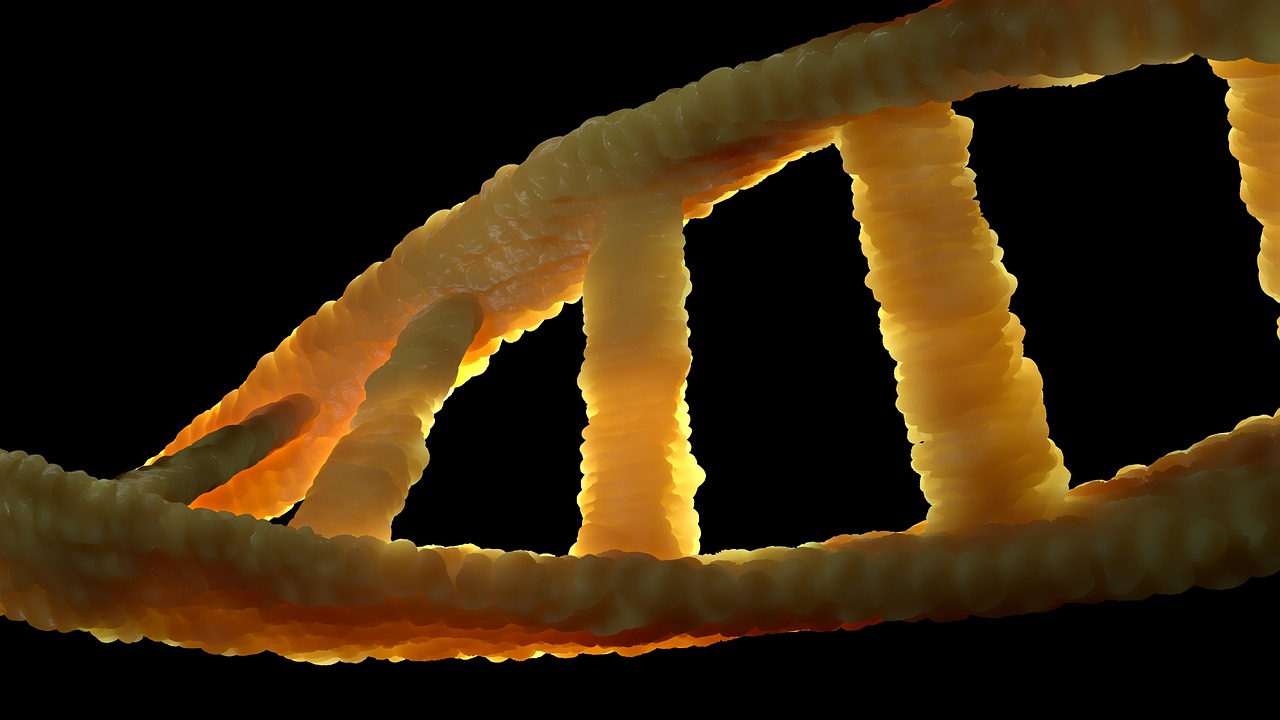
연구 배경 및 원리 (Background & Mechanisms)
과거 생명과학계는 단백질을 직접 생성하는 ‘유전자(Coding DNA)’에만 집중해 왔습니다. 하지만 인간 유전체의 단 2%만이 단백질을 코딩하며, 나머지 98%는 오랫동안 쓸모없는 ‘정크 DNA’로 여겨졌습니다. 최근 발표된 대규모 유전체 매핑 연구는 이러한 통념을 정면으로 뒤집으며, 우리가 ‘유전자 사이의 영역(Intergenic DNA)’이라 부르는 비부호화 영역이 복합 형질과 질병의 유전율(Heritability)을 결정하는 핵심 기제임을 밝혀냈습니다.
이 연구의 핵심 원리는 ‘조절 요소의 재발견’에 있습니다. 유전자 사이의 DNA는 단순히 유전자들을 떨어뜨려 놓는 공간이 아니라, 특정 유전자의 발현 강도를 조절하는 ‘조절 스위치(Enhancers, Promoters)’들이 밀집된 정교한 통제 센터입니다. 연구진은 정밀한 유전체 지도를 통해 당뇨, 심혈관 질환, 암과 같은 복합 형질의 유전적 변이가 유전자 본체보다 이 조절 스위치 영역에서 훨씬 더 빈번하게 발생하며, 이것이 질병 발생의 실질적인 동력이 된다는 사실을 입증했습니다.
핵심 발견 및 의미 (Key Findings & Significance)
이번 연구에서 가장 놀라운 발견은 복합 형질의 유전 가능성이 유전자 내부보다 유전자 외부 영역에서 더 높은 밀도로 나타난다는 점입니다. 이는 우리가 가진 유전자의 종류보다, 그 유전자가 ‘언제, 얼마나 강하게’ 발현되는지를 결정하는 조절 환경이 건강 상태를 좌우한다는 것을 의미합니다. 특히 만성 질환이나 노화와 관련된 표현형일수록 이러한 비부호화 영역의 영향력이 지배적인 것으로 나타났습니다.
이러한 발견은 정밀 의학(Precision Medicine)의 패러다임을 바꿉니다. 이제까지의 유전자 검사가 특정 질병 유전자의 유무를 확인하는 데 그쳤다면, 앞으로는 유전자 사이의 조절 영역이 외부 환경(식단, 스트레스, 오염 물질 등)과 어떻게 상호작용하는지를 분석하는 방향으로 진화해야 합니다. 이는 개인의 유전적 운명이 고정된 것이 아니라, 조절 스위치를 어떻게 관리하느냐에 따라 충분히 변화될 수 있다는 ‘후성유전학적 희망’을 과학적으로 뒷받침합니다.
결론 및 요약 (Conclusion)
결론적으로, 우리의 건강과 수명은 단순히 물려받은 ‘설계도(유전자)’뿐만 아니라, 설계도 사이사이에 숨겨진 ‘운영 지침(Intergenic DNA)’에 의해 결정됩니다. 이번 연구는 복합 질환의 유전적 뿌리가 생각보다 훨씬 넓고 정교한 비부호화 영역에 뻗어 있음을 명확히 보여주었습니다.
따라서 현대인의 건강 관리는 ‘유전자 결정론’에서 벗어나야 합니다. 유전자 사이의 조절 스위치를 최적의 상태로 유지하기 위한 항염증 라이프스타일, 정밀 영양 공급, 그리고 환경 독소 노출 최소화는 이제 선택이 아닌 생존 전략입니다. 바이오사이언스 포스트는 독자 여러분이 이러한 최신 유전학적 통찰을 바탕으로 자신의 생물학적 잠재력을 최대한 발휘하는 주체적인 건강 경영을 실천하시길 권장합니다.
📌 Bioscience Action (실천 가이드)
- 단순한 유전 정보에 일희일비하기보다 유전자 발현 조절(에피제네틱스)을 돕는 메틸화 지원 영양소(비타민 B군, 엽산 등)를 충분히 섭취하세요.
- 비부호화 DNA의 변형을 유발하는 만성 염증을 억제하기 위해 매일 20분 이상의 고강도 인터벌 운동을 생활화하세요.
- 개인의 유전적 취약성을 보완할 수 있는 정밀 건강 검진을 통해 질병 발생 전 예방적 조치를 우선시하는 ‘선제적 의료’ 전략을 세우세요.
🌐 English Brief & Scientific Abstract
Scientific Background & Core Discovery
For decades, genomic research primarily focused on protein-coding regions, which account for a mere 2% of the human genome. However, a groundbreaking genetic mapping study has revealed that “intergenic DNA”—the vast stretches between genes—serves as the primary reservoir for the heritability of complex traits. These regions, once dismissed as “junk DNA,” act as sophisticated regulatory hubs containing enhancers and promoters that govern gene expression.
The research demonstrates that genetic variants associated with common diseases such as type 2 diabetes and cardiovascular disorders are significantly enriched in these intergenic regulatory elements. By meticulously mapping these regions, scientists have uncovered that the “dimmer switches” of the genome play a more substantial role in determining disease susceptibility than the genes themselves. This discovery shifts the focus from structural gene changes to the regulatory architecture that dictates biological phenotypes.
Clinical Translation & Daily Application
The clinical significance of this finding is profound, marking a transition from a gene-centric view to a regulatory-centric model of health. It suggests that heritability is not just about the presence of a gene, but how it is modulated by the intergenic landscape. For longevity and preventive medicine, this underscores the importance of epigenetics—how environmental inputs like nutrition, exercise, and stress influence the “switches” in our non-coding DNA.
In practical terms, this research empowers individuals to look beyond their fixed genetic code. Since intergenic regions are highly responsive to environmental signaling, lifestyle interventions can effectively “reprogram” these regulatory switches to favor health and longevity. Future precision medicine will likely involve monitoring the state of these intergenic regions to provide highly personalized preventative strategies, moving us closer to a future where we can proactively manage our genetic destiny.
요약 (Summary)
🧬 우리가 흔히 ‘정크 DNA’라 부르며 무시했던 유전자 사이의 영역이 실제로는 질병과 노화를 결정하는 핵심 조절자임이 밝혀졌습니다. 유전적 잠재력을 극대화하기 위해 이제는 단순한 유전자 구성을 넘어, 유전자의 스위치를 조절하는 정밀한 생활 습관 관리가 필수적입니다.
—
– Bioscience Post는 Doctor J가 작성 및 번역한 과학/건강 참고 자료이며, 전문의의 진단과 처방을 대체할 수 없습니다.