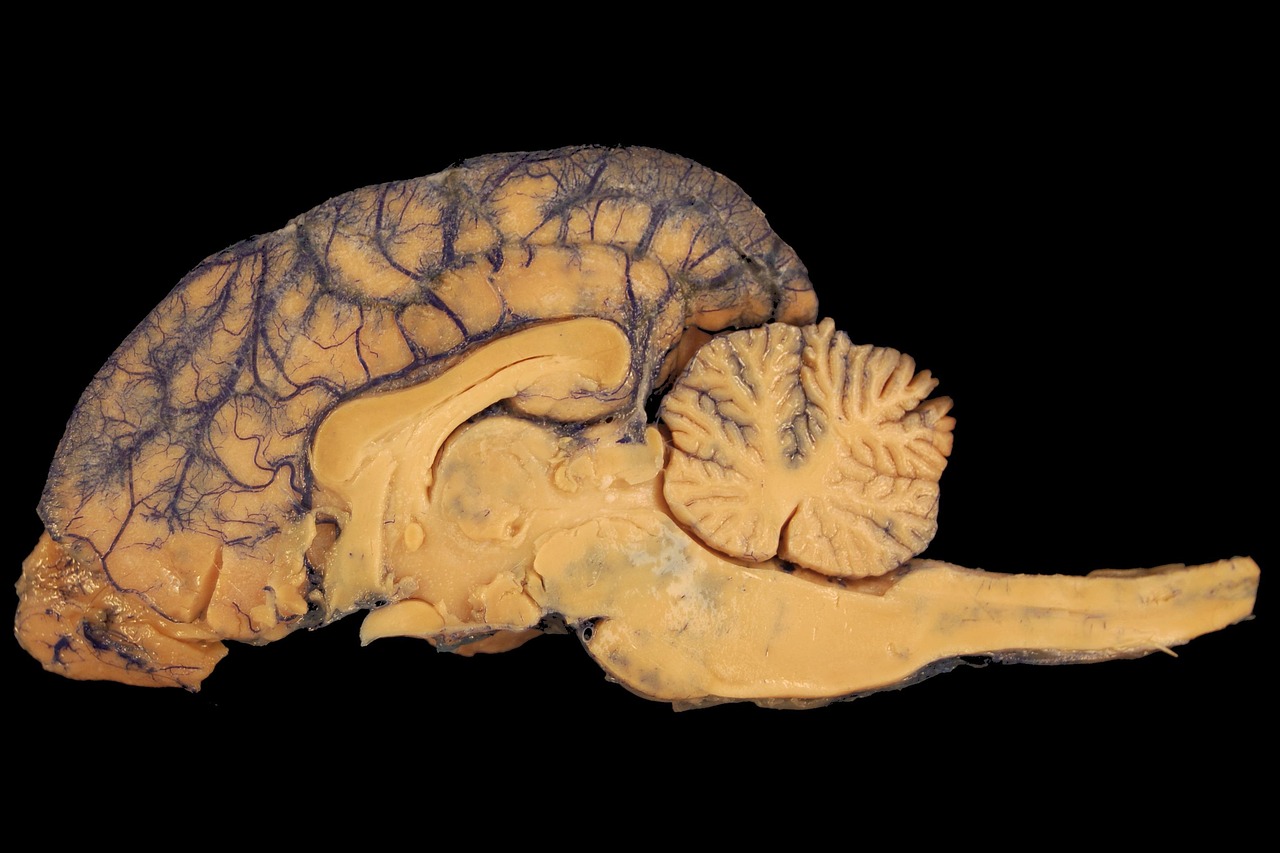
연구 배경 및 원리 (Background & Mechanisms)
최근 분자 생물학 및 생리학 분야의 연구에 따르면, 신체의 중심부인 ‘코어(Core)’ 근육의 활성화가 단순히 자세 교정이나 근골격계 통증 완화를 넘어 뇌 혈류(Cerebral Blood Flow, CBF)의 정밀한 조절에 결정적인 역할을 한다는 사실이 규명되고 있습니다. 코어 근육은 복근, 등 근육, 횡격막, 그리고 골반저근을 포함하는 복합적인 시스템으로, 이들이 협응하여 만들어내는 복강 내 압력(Intra-abdominal Pressure, IAP)은 전신 혈역학에 직접적인 영향을 미칩니다.
핵심 기전은 ‘혈류의 안정적 공급’과 ‘자율신경계의 조절’에 있습니다. 코어가 견고하게 결합될 때, 신체는 정맥 환류(Venous Return)를 최적화하며 심박출량을 효율적으로 관리할 수 있게 됩니다. 이는 특히 중력의 영향을 거슬러 뇌로 혈액을 보내야 하는 인간의 직립 보행 특성상, 뇌로 향하는 혈류의 변동성을 최소화하고 일정한 산소 공급을 보장하는 완충 작용을 수행하게 됩니다.
핵심 발견 및 의미 (Key Findings & Significance)
본 연구적 관점에서 주목해야 할 발견은 코어 근육의 개입이 뇌 혈관의 자동 조절 능력을 강화한다는 점입니다. 강한 코어는 신체적 스트레스 상황에서도 혈압의 급격한 변동이 뇌 혈관에 직접적인 타격을 주지 않도록 보호하는 ‘생체 역학적 방어막’ 역할을 합니다. 이는 고혈압이나 당뇨와 같은 대사 질환으로 인해 뇌 혈관 건강이 위협받는 현대인들에게 매우 중요한 시사점을 던져줍니다.
또한, 코어 강화는 뇌의 ‘노폐물 청소 시스템’인 글림파틱 체계(Glymphatic System)의 효율성을 높일 수 있는 잠재력을 지닙니다. 적절한 복압과 호흡의 조절은 뇌척수액의 순환을 촉진하며, 이는 알츠하이머나 파킨슨병과 같은 신경 퇴행성 질환의 원인이 되는 독성 단백질(베타 아밀로이드 등)의 축적을 억제하는 데 기여할 수 있습니다. 즉, 코어 운동은 신체적인 퍼포먼스 향상을 넘어 인지 건강의 수명을 연장하는 강력한 항노화 도구인 셈입니다.
결론 및 요약 (Conclusion)
결론적으로, 코어 근육을 활성화하는 행위는 뇌의 혈류 역학을 개선하여 최적의 뇌 기능을 유지하게 하는 필수적인 예방 의학적 조치입니다. 강한 코어는 뇌로 가는 혈류의 저항을 낮추고, 산소 및 영양분 공급의 효율성을 극대화하여 뇌 노화를 늦추는 핵심적인 변수로 작용합니다.
따라서 장수와 인지 능력 보존을 목표로 하는 현대인들은 단순한 유산소 운동뿐만 아니라, 복합적인 코어 안정화 훈련을 일상에 반드시 통합해야 합니다. 바른 자세와 깊은 호흡, 그리고 견고한 코어는 우리 뇌가 가장 선호하는 최고의 영양제와 같습니다.
📌 Bioscience Action (실천 가이드)
- 일상생활 중 앉아 있거나 서 있을 때 배꼽을 척추 쪽으로 살짝 당기는 느낌으로 복압을 상시 유지하여 뇌 혈류의 안정성을 높이세요.
- 흉식호흡 대신 횡격막을 깊게 사용하는 복식호흡을 통해 복강 내 압력을 조절하고 자율신경계를 안정시키세요.
- 매일 10분간 플랭크, 브릿지 등 코어 집중 운동을 수행하여 뇌로 전달되는 혈류 저항을 줄이고 신경 보호 효과를 극대화하세요.
🌐 English Brief & Scientific Abstract
Scientific Background & Core Discovery
Recent physiological investigations suggest a profound connection between core musculature engagement and the regulation of Cerebral Blood Flow (CBF). The core—a complex functional unit comprising the diaphragm, abdominals, and pelvic floor—acts as a central hemodynamic regulator. By modulating intra-abdominal pressure, core engagement optimizes venous return and stabilizes cardiac output, ensuring a consistent and resilient blood supply to the brain.
The core discovery highlights that “core-brain coupling” serves as a biomechanical buffer against systemic blood pressure volatility. This mechanism is crucial for maintaining the integrity of the blood-brain barrier and preventing micro-vascular damage caused by hemodynamic instability. Furthermore, the synchronous action of core muscles and diaphragmatic breathing enhances the pulsatility of cerebrospinal fluid, potentially augmenting the brain’s waste clearance through the glymphatic system.
Clinical Translation & Daily Application
From a clinical perspective, these findings reposition core training from a fitness-centric goal to a neuroprotective necessity. Strengthening the core enhances the brain’s autoregulatory capacity, which is vital for preventing cognitive decline and stroke. For longevity seekers, maintaining “core tension” during daily activities is as important as dedicated exercise sessions.
Practically, individuals should focus on maintaining a subtle abdominal hollowing (core bracing) throughout the day to support vascular health. Integrating activities like Pilates, core-centric functional movements, and mindful breathing can significantly improve oxygenation to the prefrontal cortex, thereby boosting executive function and long-term brain health. The core is not just the center of gravity; it is the vascular gateway to a youthful brain.
요약 (Summary)
🧠 단순한 운동을 넘어 코어 근육을 활성화하는 것이 뇌로 가는 혈류량을 정밀하게 조절하여 인지 기능을 보호한다는 사실이 밝혀졌습니다. 지금 당장 복압을 유지하고 바른 자세를 취해 뇌 세포에 충분한 산소를 공급하고 뇌 노화를 방지하세요!
—
– Bioscience Post는 Doctor J가 작성 및 번역한 과학/건강 참고 자료이며, 전문의의 진단과 처방을 대체할 수 없습니다.