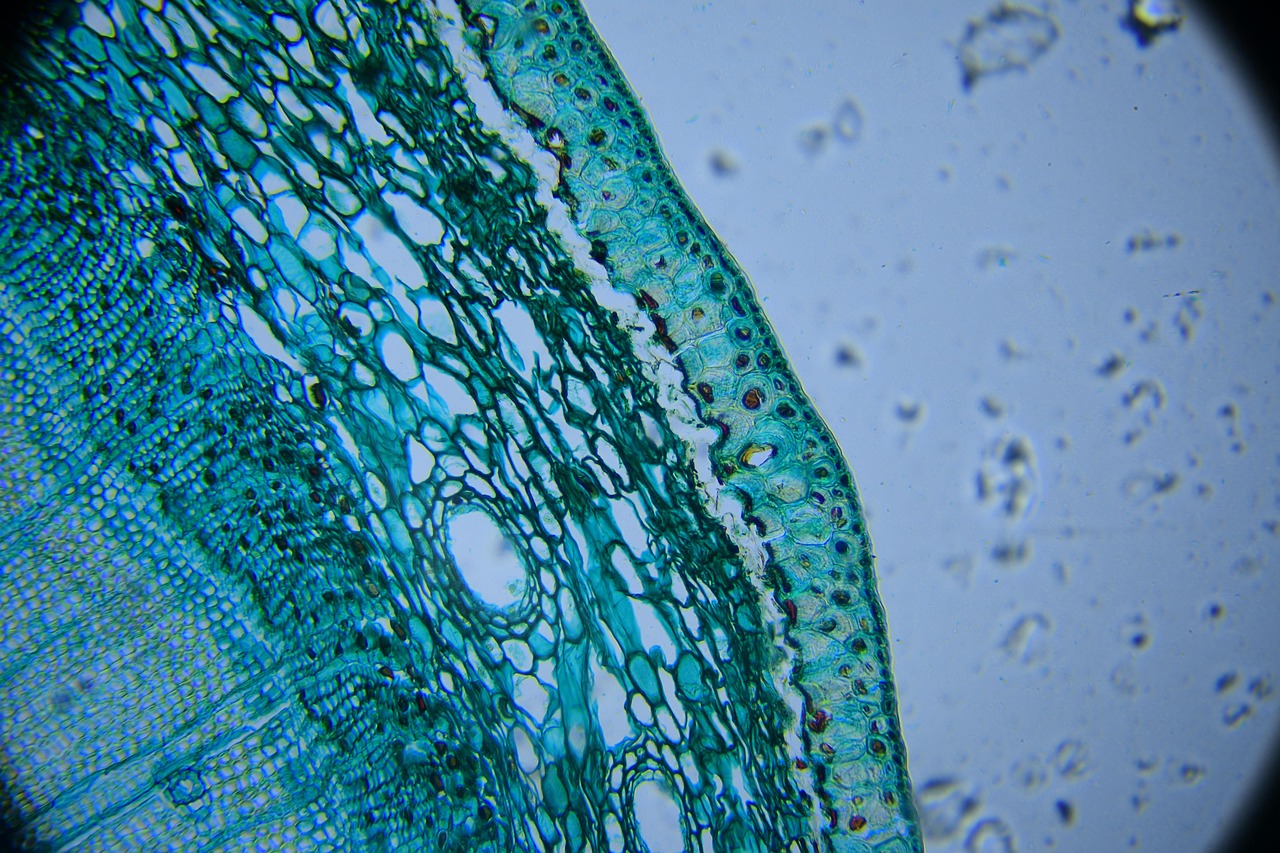
연구 배경 및 원리 (Background & Mechanisms)
노화는 단순히 시간이 흐르는 과정이 아니라, 생체 내에서 발생하는 ‘만성 저강도 염증(Inflammaging)’과 그에 따른 조직 기능 저하의 결과입니다. 특히 외부 환경과 맞닿아 있는 피부(표피)는 노화에 따라 장벽 기능이 약화되고, 상처 치유가 더뎌지며, 산화 스트레스와 DNA 손상이 축적되는 대표적인 조직입니다. 그동안 이러한 노화 현상을 주도하는 분자적 기제에 대한 연구가 활발히 진행되어 왔으나, 구체적으로 어떤 단백질들이 협력하여 염증을 증폭시키는지는 명확히 밝혀지지 않았습니다.
이번 연구는 우리 몸의 생체 리듬을 조절하는 핵심 단백질인 BMAL1과 세포의 성장 및 기계적 자극을 감지하는 YAP 단백질에 주목했습니다. 본래 BMAL1은 24시간 주기의 생체 시계를 조절하는 역할을 하지만, 피부 표피에서는 생체 리듬과 무관하게(Non-circadian) YAP과 결합하여 피부 고유의 정체성을 유지하는 유전자들을 관리합니다. 그러나 노화가 진행되면 이들의 평화로운 협력 관계에 균열이 생기기 시작합니다.
핵심 발견 및 의미 (Key Findings & Significance)
연구팀은 노화된 쥐의 피부 표피를 분석한 결과, BMAL1과 YAP의 협력 지점이 노화에 따라 극적으로 변화한다는 사실을 발견했습니다. 젊은 피부에서는 피부 세포의 본래 기능을 유지하는 ‘정체성 유전자’의 강화자(Enhancer) 부위에 결합하던 이들이, 노화된 피부에서는 ‘염증 관련 유전자’의 강화자 부위로 자리를 옮겨 결합하게 됩니다. 즉, 유전적 ‘배선 변경(Rewiring)’이 일어나면서 피부 스스로 염증을 증폭시키는 상태로 변하는 것입니다.
이러한 비정상적인 전환의 배경에는 IL-17이라는 염증 신호 전달 물질이 있습니다. 노화 과정에서 증가한 IL-17 신호는 YAP을 활성화하고, 이는 다시 BMAL1과의 결합을 유도하여 NF-κB와 같은 강력한 염증 조절 인자와 함께 염증 유전자 전사를 촉진합니다. 이는 생체 시계 유전자가 본래의 시간 조절 기능을 넘어, 노화 환경에서는 조직의 파괴적인 염증 반응을 가속화하는 핵심 엔진으로 변질될 수 있음을 시사합니다.
이 발견은 피부 노화를 단순한 외적 변화가 아닌 후성유전학적 역동성의 변화로 재정의합니다. BMAL1과 YAP의 비정상적인 상호작용을 제어하거나, 이들을 염증 강화자로 유도하는 상위 신호인 IL-17을 차단함으로써 노화된 피부의 회춘(Rejuvenation)과 조직 항상성 회복이 가능하다는 새로운 치료적 타겟을 제시한 것입니다.
결론 및 요약 (Conclusion)
결론적으로, 노화된 피부 표피에서 발생하는 만성 염증은 BMAL1과 YAP 단백질이 기존의 피부 유지 기능을 버리고 염증 강화 경로를 선택하면서 발생합니다. 이는 생체 시계 단백질의 ‘비시차적(Non-circadian)’ 기능을 밝혀낸 획기적인 연구로, 노화에 따른 조직 변성을 막기 위한 새로운 지평을 열었습니다.
피부 건강을 유지하고 노화를 방어하기 위해서는 세포 수준에서의 염증 관리가 핵심입니다. IL-17 신호 체계를 안정화하고 BMAL1이 본래의 기능을 수행할 수 있도록 규칙적인 생활 습관과 항염증 환경을 조성하는 것이 장기적인 노화 방지 전략의 핵심이 될 것입니다.
📌 Bioscience Action (실천 가이드)
- 항염증 성분(폴리페놀, 오메가-3)이 풍부한 식단을 통해 전신 염증 수치를 낮추어 피부 세포 내 YAP의 과도한 활성화를 억제하세요.
- 매일 7시간 이상의 양질의 수면을 확보하여 생체 시계 단백질인 BMAL1이 비정상적인 염증 강화 경로로 이탈하지 않도록 신체 리듬을 보호하세요.
- 자외선 차단제와 항산화제를 사용하여 IL-17과 같은 노화 유도 염증 신호가 피부 장벽을 파괴하지 못하도록 외부 자극으로부터 피부를 방어하세요.
🌐 English Brief & Scientific Abstract
Scientific Background & Core Discovery
Aging is fundamentally linked to a state of chronic, low-grade inflammation known as “inflammaging,” which leads to compromised tissue homeostasis and impaired regenerative capacity. In the skin, this manifests as a weakened barrier, delayed wound healing, and accumulated cellular damage. A groundbreaking study published in *Nature Aging* has identified a novel molecular mechanism driving this process: the functional “rewiring” of the protein complex formed by BMAL1 and YAP.
While BMAL1 is traditionally known as a master regulator of the circadian clock, researchers discovered that in the epidermis, it functions independently of the 24-hour cycle to cooperate with the mechanosensitive cofactor YAP. In young skin, this duo binds to enhancers that maintain “epidermal identity” genes. However, as the skin ages, this cooperation undergoes a pathological shift. Driven by pro-inflammatory IL-17 signaling, the BMAL1–YAP complex relocates to inflammation-related enhancers, significantly amplifying the transcription of genes that fuel persistent chronic inflammation.
Clinical Translation & Daily Application
This discovery provides a paradigm shift in understanding how the epigenome is remodeled during aging. The finding that IL-17 activates YAP in a Hippo-independent manner to recruit BMAL1 toward inflammatory programs highlights a specific therapeutic vulnerability. By targeting the IL-17/YAP/BMAL1 axis, it may be possible to halt or even reverse the inflammatory cascades that characterize aged skin.
From a clinical and preventive standpoint, these results underscore the importance of systemic inflammation management. Strategies such as utilizing IL-17 inhibitors (already used in treating conditions like psoriasis) or developing topical agents that disrupt the abnormal BMAL1-YAP binding at inflammatory enhancers could be the future of anti-aging medicine. For daily longevity practices, maintaining a robust circadian rhythm and reducing systemic oxidative stress are essential to prevent the “reprogramming” of these vital proteins toward destructive inflammatory pathways.
요약 (Summary)
🧬 피부 노화의 핵심 원인인 만성 염증이 생체 시계 단백질 BMAL1과 성장 인자 YAP의 비정상적인 결합에서 비롯된다는 사실이 최근 연구를 통해 밝혀졌습니다. 피부 조직의 항상성을 유지하고 노화를 늦추기 위해서는 세포 내 염증 신호를 차단하고 후성유전학적 복구를 돕는 정밀한 관리가 필수적입니다.
—
– Bioscience Post는 Doctor J가 작성 및 번역한 과학/건강 참고 자료이며, 전문의의 진단과 처방을 대체할 수 없습니다.