연구 배경 및 원리 (Background & Mechanisms)
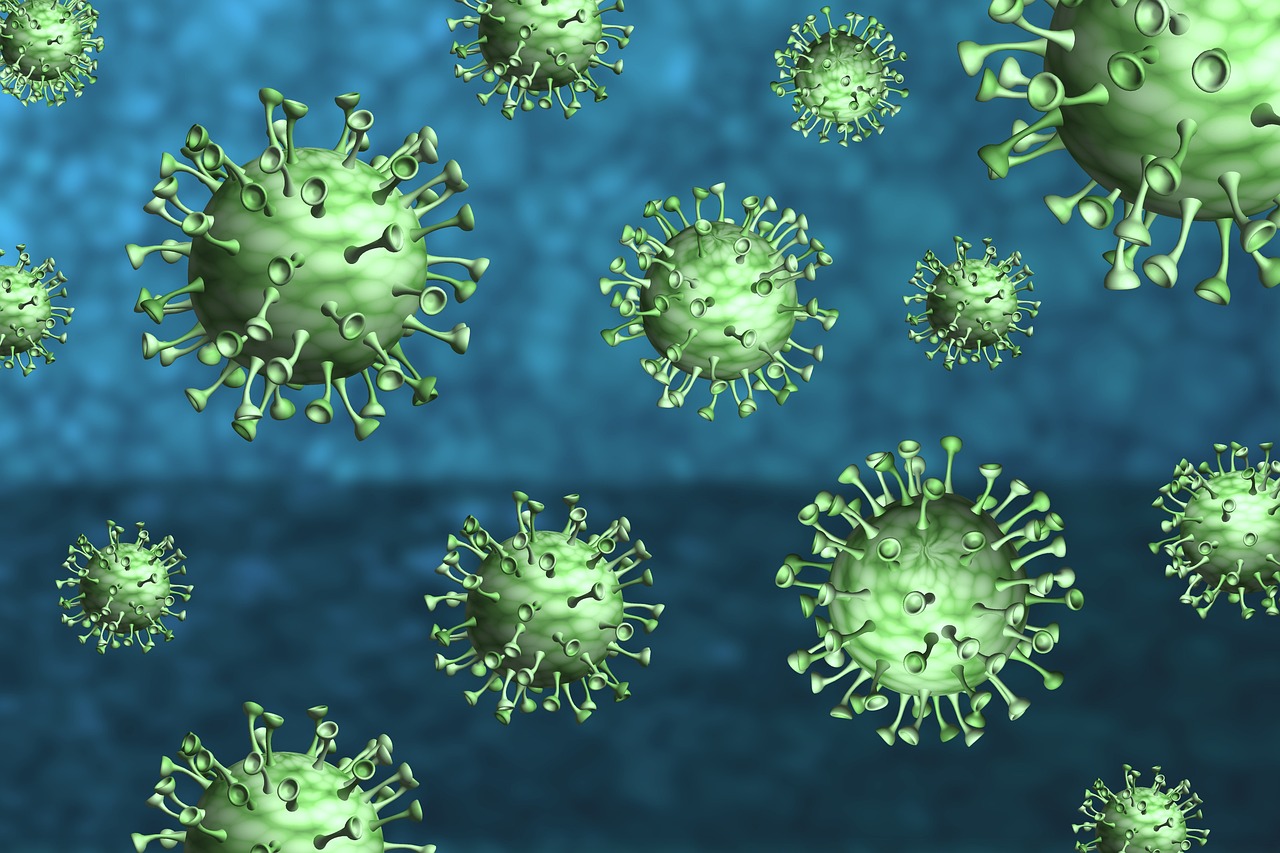
서나일 바이러스(West Nile Virus, WNV)는 주로 모기를 매개체로 하여 전파되는 플라비바이러스(Flavivirus) 속의 병원체입니다. 최근 유럽 질병예방통제센터(ECDC)의 보고에 따르면, 이례적인 기온 상승과 환경 변화로 인해 유럽 내 12개 국가에서 감염 사례가 급격히 증가하고 있습니다. 이는 단순한 계절적 현상을 넘어, 기후 위기가 인류의 공중보건에 미치는 직접적인 영향력을 시사합니다.
바이러스의 자연적 순환은 주로 조류와 모기(주로 집모기 속) 사이에서 이루어집니다. 인간과 말은 모기에게 물림으로써 감염되는 ‘종말 숙주(Dead-end host)’ 역할을 하며, 체내 바이러스 농도가 낮아 다른 모기에게 다시 전파되지는 않습니다. 그러나 기후 변화로 인해 모기의 활동 기간이 길어지고 서식지가 북상함에 따라, 과거 안전지대로 분류되었던 중북부 유럽 지역까지 감염 위험권에 노출되고 있습니다.
핵심 발견 및 의미 (Key Findings & Significance)
이번 보고서에서 가장 주목할 점은 감염 지역의 광범위한 확산 속도입니다. 이탈리아, 그리스, 오스트리아 등 남부 및 중부 유럽을 중심으로 확산세가 뚜렷하며, 이는 공중보건 시스템에 상당한 압박을 가하고 있습니다. 특히 온난한 겨울과 이른 봄의 기온 상승은 모기의 번식 주기를 앞당기고 개체 수를 폭발적으로 증가시키는 결정적 요인이 되었습니다.
대부분의 감염자(약 80%)는 무증상으로 지나가지만, 약 20%는 발열, 두통, 근육통을 동반한 서나일열(West Nile Fever)을 경험합니다. 가장 우려되는 점은 전체 감염자의 약 1% 미만에서 발생하는 신경계 침범 사례입니다. 뇌염이나 뇌수막염으로 발전할 경우 고령자나 면역 저하자에게는 치명적일 수 있으며, 영구적인 신경학적 장애를 남길 수 있어 정밀한 모니터링과 선제적 방역이 필수적입니다.
결론 및 요약 (Conclusion)
서나일 바이러스의 확산은 기후 변화가 생태계의 균형을 깨뜨리고 새로운 감염병의 위협을 가속화하고 있음을 보여주는 강력한 지표입니다. 현재 인간에게 사용할 수 있는 상용화된 백신이 없는 상태에서, 가장 효과적이고 실질적인 대응책은 개인 위생 수칙 준수와 환경 관리를 통한 노출 최소화입니다.
전문가들은 국가적 차원의 체계적인 모기 방제 작업뿐만 아니라, 시민 개개인의 인식 제고가 바이러스 전파 고리를 끊는 핵심 열쇠라고 강조합니다. 변화하는 환경 속에서 자신의 건강을 지키기 위한 예방 의학적 접근과 실천이 그 어느 때보다 중요한 시점입니다. 지속적인 경계심을 가지고 일상 속 방역 수칙을 철저히 준수해야 합니다.
📌 Bioscience Action (실천 가이드)
- 야외 활동 시 DEET, 이카리딘 또는 IR3535 성분이 포함된 해충 기피제를 노출된 피부와 옷에 규칙적으로 사용하십시오.
- 집 주변 화분 받침, 배수구, 빈 용기 등 모기가 알을 낳을 수 있는 고인 물을 주 1회 이상 점검하고 제거하십시오.
- 모기가 가장 활발하게 활동하는 새벽과 황혼 시간대에는 야외 활동을 자제하고, 외출 시에는 밝은 색의 긴 소매 상의와 긴 바지를 착용하십시오.
🌐 English Brief & Scientific Abstract
Scientific Background & Core Discovery
The West Nile virus (WNV), a clinically significant member of the Flavivirus genus, is experiencing a notable surge across Europe, with 12 countries reporting active cases according to the latest ECDC data. Driven primarily by anthropogenic climatic shifts and rising mean seasonal temperatures, the ecological niche for Culex mosquitoes—the primary vector—has expanded significantly. This expansion facilitates a broader geographic reach, pushing the virus into territories previously considered low-risk.
WNV operates through a complex enzootic cycle involving avian hosts and mosquito vectors. Humans act as incidental “dead-end” hosts. The recent epidemiological shift highlights an urgent need for enhanced biosurveillance, as warmer winters and truncated spring seasons accelerate mosquito reproductive cycles, thereby increasing the probability of spillover events into human populations.
Clinical Translation & Daily Application
From a clinical and preventive medicine perspective, while approximately 80% of infections remain asymptomatic, the remaining 20% manifest as West Nile fever. The most critical concern for longevity and neurological health is West Nile Neuroinvasive Disease (WNND), which, although rare, carries high morbidity and mortality rates among the elderly and immunocompromised individuals. This condition can lead to long-term cognitive and motor deficits.
In the absence of a licensed human vaccine, primary prevention strategies must pivot toward integrated vector management (IVM) and stringent personal protective measures. Public health authorities and individuals must prioritize the elimination of standing water—the primary breeding ground for vectors—and utilize EPA-registered repellents. Proactive environmental management and personal vigilance remain the gold standards for mitigating the impact of this emerging environmental health threat.
요약 (Summary)
🦟 유럽 전역으로 확산 중인 서나일 바이러스의 위협에 대비하여 개인 방역을 강화해야 합니다. 야외 활동 시 해충 기피제를 반드시 사용하고, 집 주변의 고인 물을 제거하여 모기 증식을 원천 차단하는 것이 감염 예방의 핵심입니다.
—
– Bioscience Post는 Doctor J가 작성 및 번역한 과학/건강 참고 자료이며, 전문의의 진단과 처방을 대체할 수 없습니다.