연구 배경 및 원리 (Background & Mechanisms)
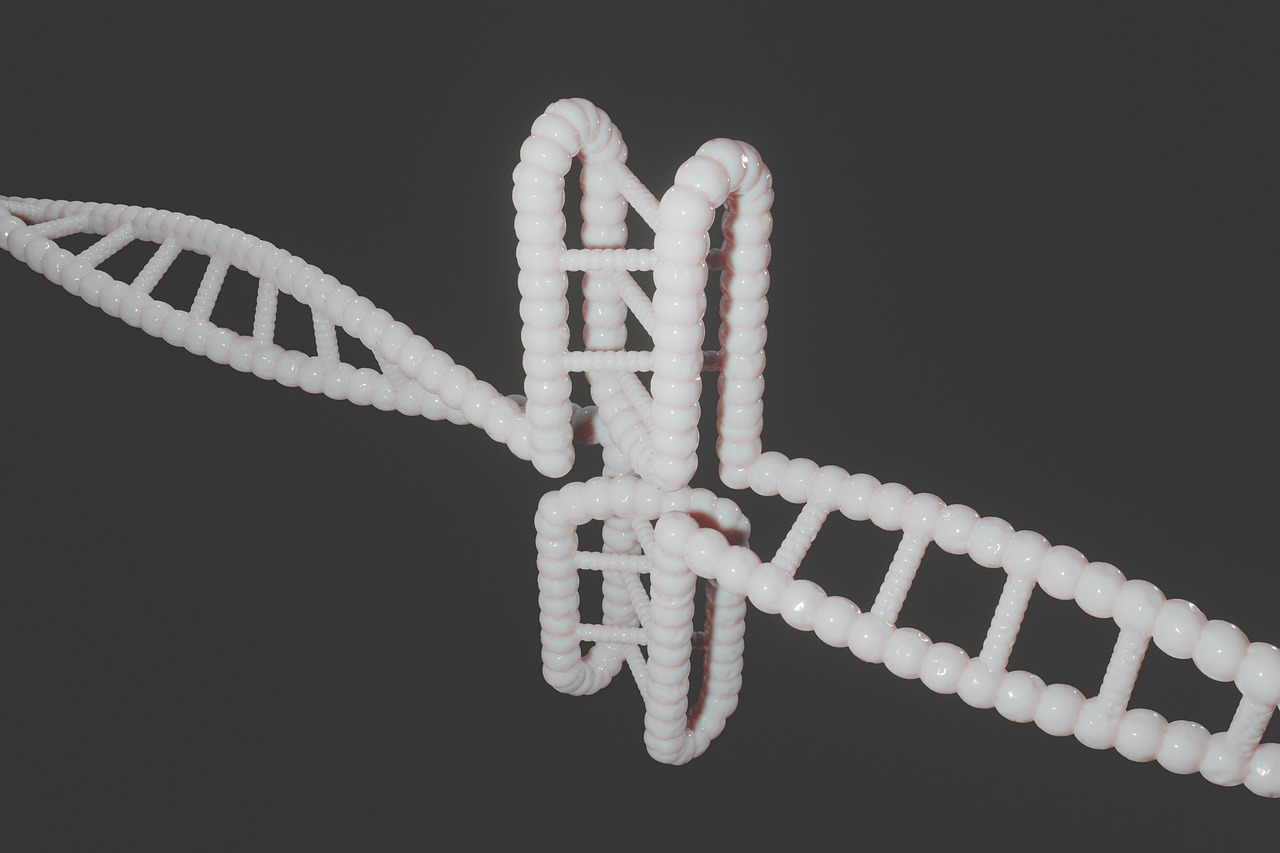
인간의 생명이 시작되는 초기 배아 단계에서 DNA의 무결성을 유지하는 것은 종의 보존과 개체의 건강을 결정짓는 핵심 요소입니다. 최근 유전자 교정 기술인 CRISPR-Cas9의 발전으로 유전 질환을 배아 단계에서 교정하려는 시도가 늘고 있지만, 초기 배아가 외부에서 가해진 DNA 절단(Double-Strand Breaks, DSBs)을 어떻게 스스로 복구하는지에 대한 메커니즘은 여전히 베일에 싸여 있었습니다.
일반적인 체세포는 DNA가 끊어지면 ‘비상동 말단 연결(NHEJ)’이나 ‘상동 재조합(HR)’ 과정을 통해 복구합니다. 그러나 초기 배아는 세포 분열 속도가 매우 빠르고 세포 주기가 특수하여 체세포와는 사뭇 다른 복구 기전을 가질 것으로 예측되어 왔습니다. 이번 연구는 배아 내부의 독특한 DNA 복구 경로를 추적하여 유전자 교정 시 발생하는 예기치 못한 돌연변이의 원인을 규명하는 데 집중했습니다.
특히, 초기 배아는 손상된 DNA를 복구하는 과정에서 ‘미세 상동 매개 말단 연결(MMEJ)’에 의존하는 경향이 크다는 점이 밝혀졌습니다. 이 경로는 DNA의 짧은 반복 서열을 이용해 끊어진 부분을 이어 붙이는데, 이 과정에서 의도치 않은 대규모 결손(Large deletion)이나 염색체 재배열이 발생할 위험이 높습니다.
핵심 발견 및 의미 (Key Findings & Significance)
연구 결과에 따르면, CRISPR-Cas9을 이용해 초기 배아의 특정 유전자를 절단했을 때, 배아는 이를 정밀하게 수정하기보다 주변 유전 물질을 통째로 잃어버리는 ‘염색체 소실’ 현상을 빈번하게 일으켰습니다. 이는 유전자 가위 기술이 의도한 목표 부위뿐만 아니라 게놈 전체의 안정성을 위협할 수 있음을 시사합니다.
또한, 배아 단계에서의 DNA 복구 효율은 모체로부터 물려받은 mRNA와 단백질 자원에 크게 의존한다는 사실이 확인되었습니다. 이는 난자의 질과 상태가 초기 배아의 유전적 결함을 스스로 치유하는 능력에 직접적인 영향을 미친다는 것을 의미하며, 난임 치료 및 보조 생식 술식에서 난자 건강의 중요성을 다시 한번 강조하는 대목입니다.
이러한 발견은 현대 정밀 의학에서 ‘유전자 가위’의 임상 적용에 엄격한 기준을 제시합니다. 단순한 유전자 삽입이나 제거를 넘어, 배아 고유의 복구 기전을 활용하거나 이를 제어할 수 있는 ‘염기 교정(Base Editing)’ 또는 ‘프라임 교정(Prime Editing)’과 같은 차세대 기술로의 패러다임 전환이 필요함을 과학적으로 입증한 것입니다.
결론 및 요약 (Conclusion)
초기 인간 배아의 DNA 복구 메커니즘을 밝혀낸 이번 연구는 유전자 교정 기술의 안전성을 평가하는 새로운 기준점을 제시했습니다. 배아는 체세포보다 DNA 손상에 훨씬 취약하며, 예측 불가능한 방식으로 복구를 시도한다는 점을 인지해야 합니다.
결론적으로, 미래의 유전 질환 치료는 배아의 자연적인 복구 능력을 저해하지 않으면서도 오차 없이 유전자를 수정하는 정밀도 확보에 달려 있습니다. 이는 인류의 수명 연장과 질병 없는 삶을 향한 여정에서 반드시 넘어야 할 산이며, 이번 연구는 그 길을 밝히는 중요한 등불이 될 것입니다.
📌 Bioscience Action (실천 가이드)
- 유전적 고위험군인 경우 임신 전 전문가와 상담하여 정밀 유전체 스크리닝(PGT-M/SR)을 적극 고려하십시오.
- 생식 세포의 DNA 손상을 방지하기 위해 엽산, 코엔자임Q10 등 항산화 영양소가 풍부한 식단을 유지하십시오.
- 유전자 교정 기술의 상용화 전까지는 검증되지 않은 임의적 유전자 변형 시도를 지양하고 공인된 의료 기관의 가이드를 따르십시오.
🌐 English Brief & Scientific Abstract
Scientific Background & Core Discovery
The integrity of the human genome at the embryonic stage is paramount for successful development and lifelong health. While CRISPR-Cas9 has opened doors to potential germline editing, the fundamental question of how early human embryos process DNA double-strand breaks (DSBs) has remained partially unanswered. Recent research has shed new light on this by demonstrating that early embryos employ distinct DNA repair pathways compared to differentiated somatic cells.
Specifically, the research highlights a significant reliance on Microhomology-Mediated End Joining (MMEJ) rather than the more precise Homologous Recombination (HR) during the first few days post-fertilization. This discovery is pivotal because MMEJ is inherently error-prone, often leading to stochastic deletions and chromosomal instabilities. The study underscores that unintended consequences, such as large-scale genomic loss, are not mere technical failures but a result of the embryo’s intrinsic biological response to DNA damage.
Clinical Translation & Daily Application
From a clinical perspective, these findings serve as a cautionary tale for human germline engineering. The high frequency of chromosomal loss and mosaicism observed after gene editing suggests that current CRISPR methods may be too blunt for embryonic application. This necessitates a shift toward “search-and-replace” technologies like Base or Prime Editing, which minimize double-strand breaks and work in harmony with the embryo’s unique repair machinery.
For individuals and healthcare providers, this emphasizes the critical importance of pre-conception health. Since the embryo’s initial repair capacity is heavily dictated by maternal factors and oocyte quality, optimizing metabolic health and reducing oxidative stress through micronutrient supplementation (e.g., CoQ10, Folate) remains the most effective “preventive medicine” for ensuring genomic stability in the next generation. Understanding these cellular limits allows us to approach longevity and genetic health with both scientific rigor and ethical responsibility.
요약 (Summary)
🧬 초기 인간 배아의 독특한 DNA 복구 방식을 이해함으로써 유전자 교정의 부작용을 최소화하고, 건강한 임신과 유전 질환 예방을 위한 과학적 토대를 마련해야 합니다.
—
– Bioscience Post는 Doctor J가 작성 및 번역한 과학/건강 참고 자료이며, 전문의의 진단과 처방을 대체할 수 없습니다.