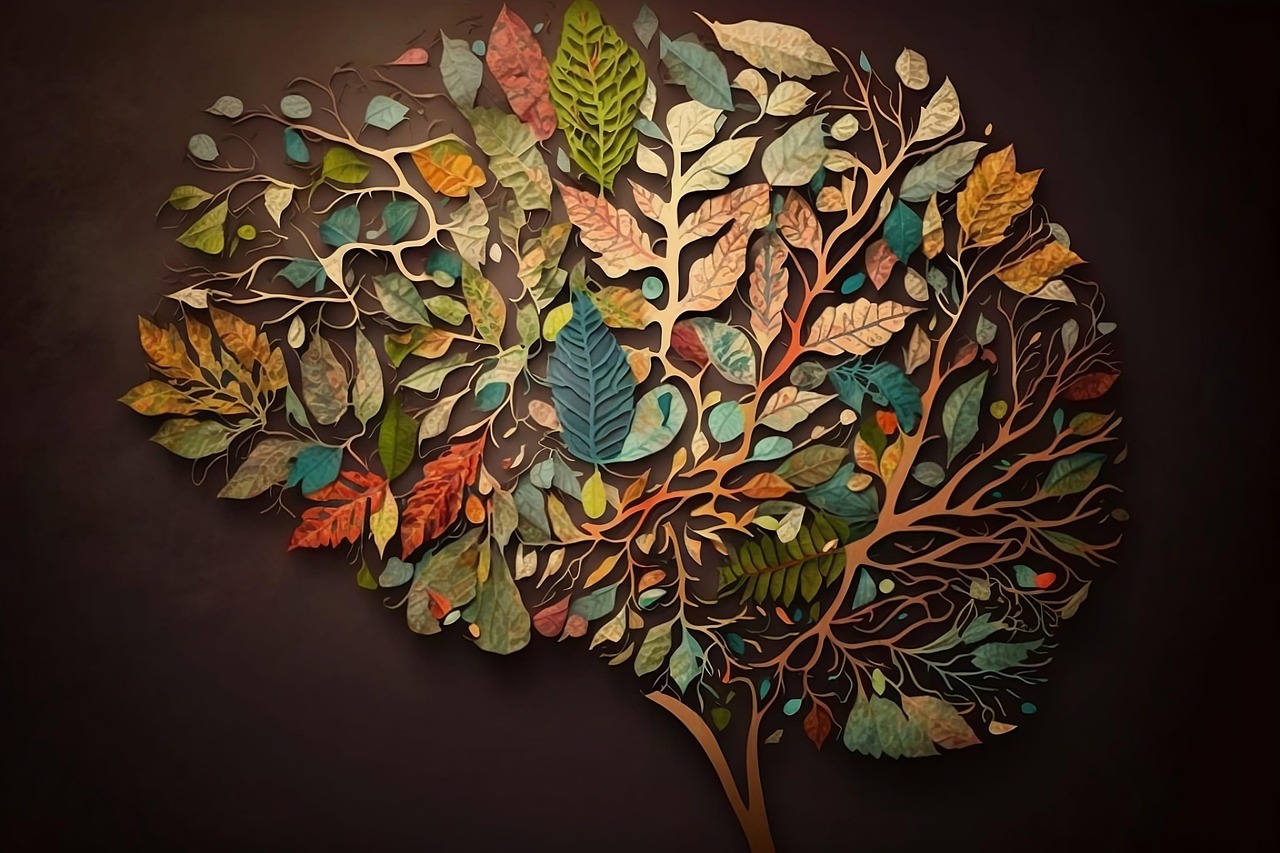
연구 배경 및 원리 (Background & Mechanisms)
고령층의 우울증은 젊은 층에 비해 치료가 까다롭고 기존의 모노아민 기반 항우울제(SSRI 등)에 대한 반응률이 낮은 경향이 있습니다. 이는 노화에 따른 뇌의 구조적 변화와 신경 가소성(Neuroplasticity)의 저하가 주요 원인으로 지목됩니다. 최근 신경과학계는 케타민(Ketamine)이 단순한 마취제를 넘어, 뇌의 NMDA(N-methyl-D-aspartate) 수용체를 차단하고 글루타메이트 수용체의 활성화를 유도함으로써 뇌 신경망을 재구성하는 강력한 도구라는 점에 주목해 왔습니다.
이번 연구의 핵심 원리는 케타민이 뇌의 ‘기본 상태 네트워크(Default Mode Network, DMN)’의 과도한 활성화를 억제하고, 외부 자극에 반응하는 네트워크와의 연결성을 강화한다는 점입니다. 우울증 환자, 특히 고령 환자의 뇌는 부정적인 자기 생각에 침잠하는 특정 패턴에 고착되어 있는데, 케타민은 이러한 고착된 패턴을 일시적으로 해체하고 뇌가 새로운 연결을 형성할 수 있는 ‘기회의 창’을 열어줍니다.
핵심 발견 및 의미 (Key Findings & Significance)
연구 결과에 따르면, 케타민 투여 후 고령 우울증 환자의 뇌 활동 패턴에서 유의미한 변화가 관찰되었습니다. 특히 전전두엽 피질(Prefrontal Cortex)과 다른 뇌 영역 간의 통신이 원활해지면서 우울 증상이 즉각적으로 개선되는 양상을 보였습니다. 이는 케타민이 뇌의 기능적 연결성(Functional Connectivity)을 재조정하여, 노화된 뇌에서도 충분한 회복 탄력성이 존재함을 입증한 것입니다.
이 발견의 중요한 의미는 ‘바이오마커 기반의 맞춤형 치료’ 가능성을 제시했다는 데 있습니다. 특정 뇌 활동 패턴의 변화를 관찰함으로써 어떤 환자가 케타민 치료에 가장 효과적으로 반응할지 예측할 수 있게 된 것입니다. 이는 고령 환자에게 흔히 발생하는 약물 부작용 위험을 최소화하고, 가장 효율적인 치료 경로를 설계하는 정밀 의료(Precision Medicine)의 기틀이 됩니다.
결론 및 요약 (Conclusion)
고령층의 우울증은 뇌 신경망의 경직성에서 비롯되는 경우가 많으며, 케타민은 이를 유연하게 만드는 촉매제 역할을 합니다. 뇌 활동 패턴의 변화를 실시간으로 추적하고 이를 치료에 반영함으로써, 우리는 더 이상 우울증을 단순한 감정의 문제가 아닌 뇌 회로의 기능적 불균형 문제로 접근할 수 있게 되었습니다.
결론적으로, 이번 연구는 고령 우울증 환자들에게 단순한 증상 완화를 넘어 뇌 건강의 근본적인 회복 가능성을 시사합니다. 최신 신경과학적 성과를 바탕으로 한 적극적인 치료 개입은 고령자의 삶의 질을 획기적으로 개선하고 장수 시대의 정신적 건강을 지키는 핵심 열쇠가 될 것입니다.
📌 Bioscience Action (실천 가이드)
- 만성적인 기분 저하와 인지 기능 저하가 동반된다면 단순 노화로 치부하지 말고 뇌 신경망 가소성 저하를 의심하여 전문의 진단을 받으십시오.
- 기존 항우울제에 반응하지 않는 난치성 우울증의 경우, NMDA 수용체에 작용하는 케타민 등 혁신적인 신경조절 치료의 적합성을 상담하십시오.
- 치료 과정 중에는 명상이나 가벼운 인지 훈련을 병행하여 케타민이 유도한 뇌의 새로운 연결 패턴이 장기적으로 유지되도록 노력하십시오.
🌐 English Brief & Scientific Abstract
Scientific Background & Core Discovery
Recent neuroimaging research has identified that Ketamine acts as a potent catalyst for neural “reset” in older adults suffering from treatment-resistant depression (TRD). Unlike traditional antidepressants that target monoamine neurotransmitters, Ketamine modulates NMDA receptors to trigger a rapid increase in synaptic plasticity. This process addresses the age-related decline in brain connectivity, specifically targeting the dysregulated patterns between the Default Mode Network (DMN) and task-positive networks.
The core discovery lies in the shifting brain activity patterns post-administration. Ketamine facilitates a transient state of neural flexibility, allowing the brain to break away from pathological, ruminative circuits. This “re-wiring” effect is particularly crucial for the elderly, whose brains often exhibit structural and functional rigidity that hinders conventional therapy’s efficacy.
Clinical Translation & Daily Application
From a clinical perspective, these findings move us closer to precision psychiatry for the geriatric population. By monitoring specific brain activity signatures, clinicians can identify optimal candidates for Ketamine therapy, ensuring higher response rates and minimizing unnecessary pharmacological exposure. This study underscores the importance of viewing depression as a dynamic circuit disorder rather than a static chemical imbalance.
For practical application, this emphasizes the need for a multi-modal approach. While Ketamine provides the neural opening, incorporating cognitive stimulation and structured lifestyle changes can help solidify these new, healthier brain patterns. Patients and caregivers should prioritize neurological health assessments that look beyond surface-level symptoms to understand the underlying brain connectivity.
요약 (Summary)
🧠 고령층의 난치성 우울증을 해결하기 위해 케타민이 뇌 연결성을 어떻게 재설정하는지 주목해야 합니다. 고착화된 부정적 사고의 고리를 끊고 뇌의 가소성을 회복하기 위해 최신 신경과학 기반의 치료 옵션을 적극적으로 탐색하십시오.
—
– Bioscience Post는 Doctor J가 작성 및 번역한 과학/건강 참고 자료이며, 전문의의 진단과 처방을 대체할 수 없습니다.