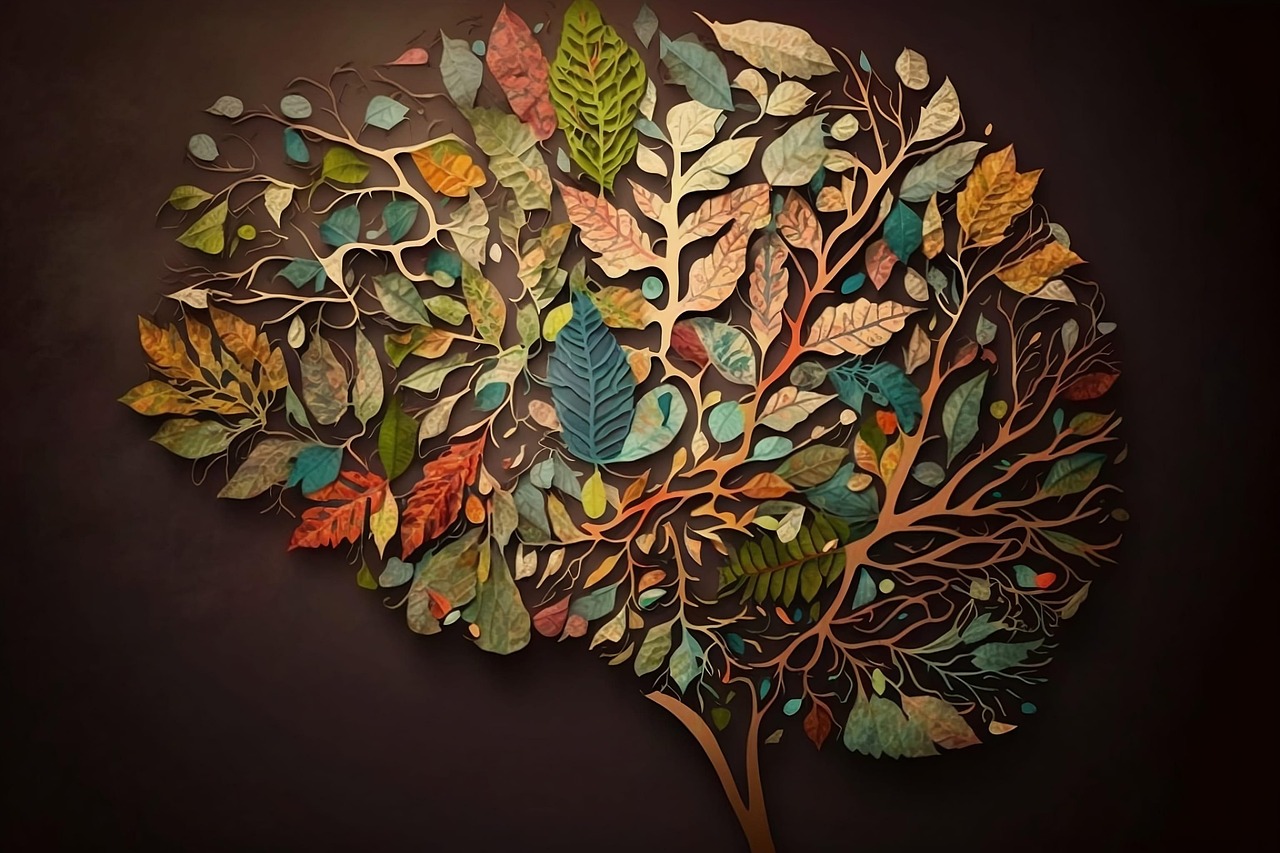
연구 배경 및 원리 (Background & Mechanisms)
현대 의학에서 뇌의 노화는 불가피한 과정으로 여겨졌으나, 최근의 신경과학 연구들은 ‘뇌 가소성(Neuroplasticity)’과 ‘인지 예비능(Cognitive Reserve)’이라는 개념을 통해 이를 극복할 수 있는 가능성을 제시하고 있습니다. 즐거움을 위한 독서(Reading for Pleasure)는 단순한 취미 생활을 넘어, 뇌의 여러 영역을 동시에 활성화하는 고도의 인지 훈련입니다.
독서를 할 때 우리의 뇌는 시각적 정보를 처리하는 후두엽, 언어와 의미를 해석하는 측두엽, 그리고 서사적 구조를 파악하고 공감 능력을 발휘하는 전두엽과 정서 조절 시스템을 복합적으로 사용합니다. 이러한 과정은 신경세포 간의 연결망(Synapse)을 강화하며, 노화로 인한 뇌 기능 저하를 방어할 수 있는 강력한 인지적 보호막을 형성합니다.
핵심 발견 및 의미 (Key Findings & Significance)
여러 장기 추적 연구에 따르면, 정기적으로 독서를 즐기는 사람들은 그렇지 않은 사람들에 비해 사망 위험이 약 20% 낮게 나타났습니다. 특히 예일 대학교(Yale University)의 연구에 따르면, 하루 30분 이상의 독서는 수명을 평균 2년 정도 연장하는 효과가 있는 것으로 확인되었습니다. 이는 독서가 스트레스 호르몬인 코르티솔 수치를 급격히 낮추고 심박수를 안정시키며, 정서적 안정감을 제공하기 때문입니다.
또한, 즐거움을 위한 독서는 치매 및 인지 기능 저하의 발생 시점을 유의미하게 늦춥니다. 소설과 같은 서사 구조가 있는 글을 읽을 때 뇌는 주인공의 경험을 자신의 것처럼 시뮬레이션하는데, 이는 고도의 사회적 인지 능력과 공감 능력을 유지하는 데 필수적입니다. 이는 약물 치료로 대체하기 어려운 ‘인지적 탄력성’을 부여한다는 점에서 예방 의학적 가치가 매우 큽니다.
결론 및 요약 (Conclusion)
결론적으로 독서는 가장 경제적이면서도 강력한 항노화(Anti-aging) 도구입니다. 뇌는 쓰면 쓸수록 발달하는 근육과 같으며, 즐거움을 동반한 독서는 뇌를 가장 효율적으로 자극하는 방식입니다. 단순한 지식의 축적보다는 ‘몰입의 즐거움’을 느끼는 과정 자체가 뇌 세포를 보호하고 신체 전반의 항상성을 유지하는 데 기여합니다.
따라서 건강한 수명 연장을 목표로 한다면, 약 영양제뿐만 아니라 매일 일정 시간 동안 책에 몰입하는 시간을 반드시 확보해야 합니다. 이는 뇌의 퇴행을 막고 생애 끝까지 명료한 정신을 유지하게 하는 최고의 예방 의학적 처방이 될 것입니다.
📌 Bioscience Action (실천 가이드)
- 매일 최소 30분 동안 정보 습득용이 아닌, 순수한 즐거움을 주는 문학이나 비소설 책을 읽는 습관을 들이십시오.
- 스마트폰이나 태블릿 대신 종이책을 선택하여 블루라이트 노출을 차단하고 뇌의 ‘깊은 읽기(Deep Reading)’ 회로를 활성화하십시오.
- 읽은 내용에 대해 사색하거나 타인과 대화하는 시간을 가져 전두엽의 인지 기능을 더욱 강화하십시오.
🌐 English Brief & Scientific Abstract
Scientific Background & Core Discovery
Reading for pleasure is no longer viewed merely as a leisure activity but as a critical intervention for cognitive longevity and neuroplasticity. Scientific evidence suggests that engaging with narrative structures—specifically books—activates a complex network in the brain, including the parietal, temporal, and prefrontal cortex. This mental stimulation builds “Cognitive Reserve,” a structural buffer that allows the brain to function effectively even in the presence of age-related pathology or neurological decline.
Research from institutions like Yale University has demonstrated a “survival advantage” for book readers. A longitudinal study spanning 12 years showed that individuals who read books for as little as 30 minutes a day lived an average of 23 months longer than non-readers. This suggests that the cognitive engagement required to follow a plot or understand complex arguments provides a unique protective effect against biological aging.
Clinical Translation & Daily Application
From a preventive medicine perspective, reading functions as a potent stress-reduction tool. Studies indicate that just six minutes of silent reading can reduce stress levels by up to 68%, surpassing the efficacy of listening to music or going for a walk. By lowering cortisol levels and stabilizing heart rate, reading mitigates the chronic inflammatory responses often associated with metabolic and cardiovascular diseases.
To maximize these benefits, clinicians recommend “Deep Reading”—the practice of engaging with long-form printed text rather than fragmented digital content. This practice fosters sustained attention and empathy, which are vital for neuro-regeneration. Integrating a daily ritual of immersive reading into one’s lifestyle is a highly scalable, low-cost strategy to enhance brain health, delay the onset of dementia, and improve overall life expectancy.
요약 (Summary)
📚 단순한 정보 습득을 넘어 ‘즐거움’을 위한 독서가 뇌의 인지 예비능을 높이고 수명을 연장한다는 사실이 밝혀졌습니다. 오늘부터 매일 30분, 당신의 뇌를 젊게 유지하고 노화 속도를 늦추기 위해 좋아하는 책을 펼치십시오.
—
– Bioscience Post는 Doctor J가 작성 및 번역한 과학/건강 참고 자료이며, 전문의의 진단과 처방을 대체할 수 없습니다.