연구 배경 및 원리 (Background & Mechanisms)
침샘(Salivary Gland) 기능 저하는 단순히 입안이 마르는 불편함을 넘어 음식물 섭취 장애, 치아 우식, 감염 취약성 등 삶의 질을 심각하게 저하시키는 요인입니다. 특히 암 환자의 방사선 치료나 쇼그렌 증후군과 같은 자가면역 질환으로 인한 침샘 손상은 현재까지 근본적인 치료법이 부재한 상황이었습니다. 기존의 인공 타액이나 약물 요법은 일시적인 완화에 그치는 한계가 있었습니다.
본 연구팀은 인체 발생 과정에서 착안한 ‘발생 기반 접근법(Development-inspired approach)’을 통해 이 난제를 해결하고자 했습니다. 연구진은 인간 유도만능줄기세포(hPSCs)를 사용하여 침샘 상피 전구세포(SGEP)를 유도하는 전략을 수립했습니다. 특히 SOX10::GFP 리포터 시스템을 활용하여 전구세포의 분화 과정을 정밀하게 추적하고, 실제 인체 침샘의 복잡한 구조를 모방하는 데 집중했습니다.
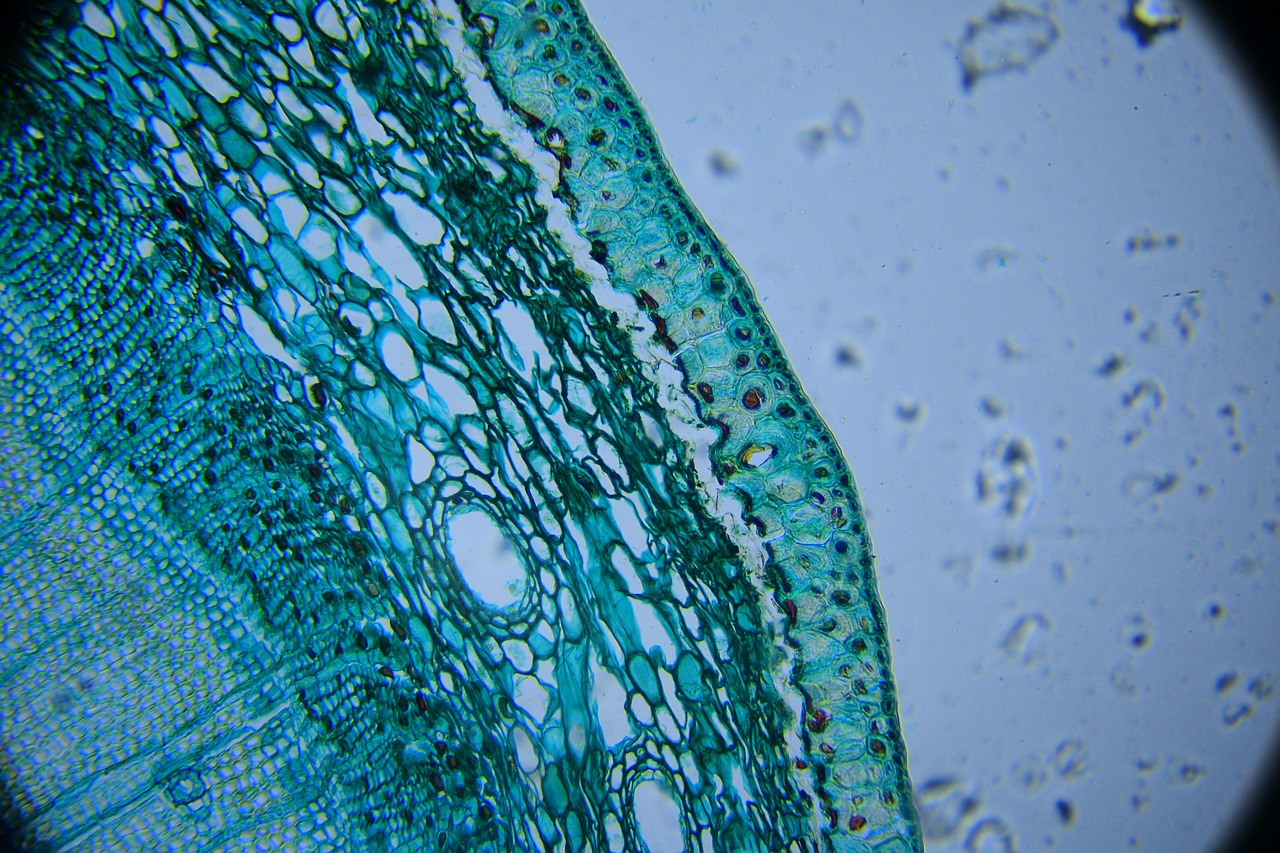
핵심 원리는 3차원 배양 기술을 통해 기능적 루멘(Lumen, 관 구조)을 가진 침샘 오가노이드를 구축하는 것입니다. 이는 단순한 세포 덩어리가 아니라, 타액을 생성하고 운반할 수 있는 실제 장기의 구조적, 기능적 단위를 미세하게 재현해낸 공학적 성과입니다.
핵심 발견 및 의미 (Key Findings & Significance)
연구의 가장 획기적인 발견은 생성된 침샘 오가노이드(SGO)가 실제 생체 내에서 성공적으로 통합되고 기능한다는 점입니다. 연구진은 mCherry 형광 단백질로 표지된 침샘 오가노이드를 면역 결핍 쥐의 턱밑샘에 이식했습니다. 그 결과, 이식된 오가노이드는 쥐의 기존 조직 내로 완벽하게 통합되었을 뿐만 아니라, 침샘의 핵심 구조인 선포(Acinar), 도관(Ductal), 근상피(Myoepithelial) 구조로 분화되는 것이 확인되었습니다.
이는 실험실에서 배양한 인공 조직이 생체 내 환경에서 기능을 발휘할 수 있는 성숙한 조직으로 발달할 수 있음을 입증한 것입니다. 특히 오가노이드 내에서 형성된 명확한 루멘 구조와 분비 기능은 기존 연구들에서 한계로 지적되었던 ‘구조적 불완전성’을 극복했다는 점에서 큰 의의가 있습니다.
이 기술은 향후 침샘 질환 모델링과 신약 스크리닝 플랫폼으로서의 활용 가능성도 매우 높습니다. 환자 유래 줄기세포를 이용해 오가노이드를 만들 경우, 개인별 맞춤형 치료법을 연구하거나 희귀 질환의 병태생리를 파악하는 데 결정적인 도구가 될 것입니다.
결론 및 요약 (Conclusion)
이번 연구는 줄기세포를 이용한 침샘 재생 의학이 이론적 단계를 넘어 실질적인 치료 가능성의 영역으로 진입했음을 보여줍니다. 발생학적 원리를 정교하게 이식 공학에 접목함으로써, 기능적이고 이식 가능한 인공 장기 제조의 새로운 표준을 제시했습니다.
비록 인체 임상 적용까지는 추가적인 검증과 안전성 확보 과정이 필요하겠지만, 침샘 손상으로 인해 고통받는 수많은 환자들에게 ‘기능 회복’이라는 근본적인 해결책을 제시했다는 점에서 그 가치는 매우 높습니다. 미래의 정밀 의료와 재생 치료는 이러한 오가노이드 기술을 통해 더욱 강력해질 것이며, 이는 노화와 질병으로 인한 신체 기능 저하를 극복하는 핵심 열쇠가 될 것입니다.
📌 Bioscience Action (실천 가이드)
- 구강 건조 예방을 위해 매일 충분한 수분 섭취와 함께 타액 분비를 자극하는 구강 체조를 습관화하십시오.
- 방사선 치료나 특정 약물 복용 중이라면 정기적인 구강 검진을 통해 침샘 손상 여부를 조기에 관리하십시오.
- 항산화 성분이 풍부한 식단을 통해 침샘 세포의 산화 스트레스를 줄이고 전반적인 구강 점막의 면역력을 높이십시오.
🌐 English Brief & Scientific Abstract
Scientific Background & Core Discovery
The study presents a groundbreaking “development-inspired” methodology for generating functional, transplantable salivary gland organoids (SGOs) from human pluripotent stem cells (hPSCs). Salivary gland hypofunction, often caused by radiotherapy for head and neck cancer or autoimmune diseases like Sjögren’s syndrome, severely impacts oral health and systemic nutrition. Current treatments only manage symptoms rather than restoring lost glandular tissue.
The research team successfully derived salivary gland epithelial progenitor (SGEP) cells by mimicking embryonic signaling pathways. Utilizing a SOX10::GFP reporter, they identified and isolated high-potential progenitor cells to engineer 3D organoids. These SGOs exhibited sophisticated architectural features, including well-defined lumens and secretory capabilities, closely resembling the physiological structure of human salivary glands.
Clinical Translation & Daily Application
The most significant clinical achievement was the successful in vivo integration of these organoids. Upon transplantation into the submandibular glands of athymic mice, the mCherry-labeled SGOs integrated seamlessly into the host environment. They differentiated into essential cell types: acinar cells (responsible for secretion), ductal cells (for transport), and myoepithelial cells (for contraction), demonstrating the potential for total tissue regeneration.
Beyond immediate cell therapy, these organoids serve as a high-fidelity platform for studying disease progression and conducting high-throughput drug screening. While clinical human trials are the next frontier, this study provides a robust blueprint for bioengineering functional human organs, moving us closer to a future where chronic organ dysfunction can be reversed through regenerative precision medicine.
요약 (Summary)
💧 침 분비 저하로 고통받는 환자들에게 혁신적인 희망이 전해졌습니다! 줄기세포를 활용해 실제 장기와 유사한 기능적 ‘인공 침샘’을 만드는 데 성공했으며, 이는 단순한 증상 완화를 넘어 침샘 기능을 근본적으로 회복시키는 재생 치료의 시대를 예고합니다.
—
– Bioscience Post는 Doctor J가 작성 및 번역한 과학/건강 참고 자료이며, 전문의의 진단과 처방을 대체할 수 없습니다.