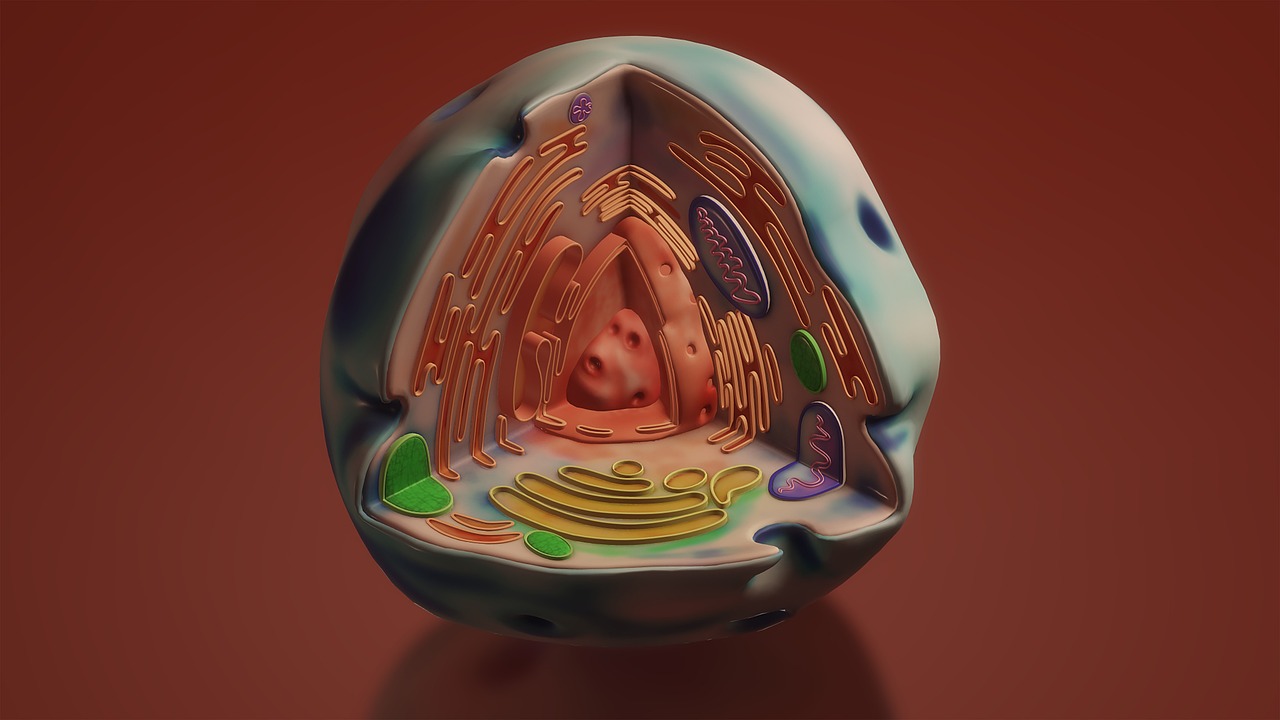
연구 배경 및 원리 (Background & Mechanisms)
전통적으로 ‘보체(Complement)’ 시스템은 간에서 합성되어 혈액을 순환하며 외부 침입자를 제거하는 선천 면역의 핵심 요소로 알려져 왔습니다. 그러나 최근 연구들은 보체가 단순히 혈액 속에만 존재하는 것이 아니라, 세포 내부에서 ‘컴플로좀(Complosome)’이라는 네트워크를 형성하여 세포의 운명을 결정짓는다는 사실을 밝혀내고 있습니다.
특히 이번 연구는 조혈모세포(HSPC) 내부에 존재하는 C3와 C5 보체 단백질이 미토콘드리아의 핵심 기능인 전자전달계(ETC)를 어떻게 조절하는지에 집중했습니다. 미토콘드리아는 세포의 에너지 화폐인 ATP를 생산하는 기관으로, 이 과정에서 전자전달계의 5개 복합체가 정교하게 작동해야 합니다. 연구팀은 보체 시스템이 결핍되었을 때 미토콘드리아의 구조와 에너지 대사 경로가 어떻게 붕괴되는지 분자적 수준에서 분석했습니다.
핵심 발견 및 의미 (Key Findings & Significance)
연구 결과, C3 또는 C5 보체 단백질이 결핍된 조혈모세포는 미토콘드리아 기능에 치명적인 결함을 보였습니다. 구체적으로 전자전달계의 복합체 I(Complex I)과 복합체 III(Complex III)의 활성이 급격히 저하되었으며, 이는 산소 소비율(OCR)의 감소로 이어졌습니다. 세포는 부족한 에너지를 보충하기 위해 비정상적으로 혐기성 글리콜라이시스(Anaerobic Glycolysis)에 의존하게 되었고, 그 결과 세포 내 젖산(Lactate) 생성이 급증하고 젖산 탈수소효소(LDH) 방출이 증가했습니다.
형태학적 분석(TEM)에서도 보체 결핍 세포는 미성숙하고 손상된 미토콘드리아를 다수 보유하고 있음이 확인되었습니다. 이는 내인성 보체 시스템이 미토콘드리아의 품질 관리(Quality Control)와 발달에 필수적인 역할을 수행함을 시사합니다. 보체의 부재는 곧 조혈모세포의 에너지 고갈과 기능 저하로 이어지며, 이는 면역 노화와 혈액 생성 장애의 직접적인 원인이 될 수 있습니다.
결론 및 요약 (Conclusion)
이 연구는 선천 면역 체계가 단순히 외부 방어 기전이 아니라, 세포 내부의 대사 엔진을 돌리는 ‘조절자’임을 입증한 획기적인 성과입니다. 특히 C3와 C5 단백질이 미토콘드리아 전자전달계의 효율을 유지함으로써 조혈모세포의 건강을 지탱한다는 발견은 노화 방지 및 재생 의학 분야에 새로운 패러다임을 제시합니다.
결론적으로, 건강한 혈액과 젊은 면역력을 유지하기 위해서는 체내 보체 시스템의 균형이 필수적입니다. 이는 향후 보체 조절을 통한 미토콘드리아 기능 강화 및 줄기세포 기반 치료제 개발의 중요한 이론적 토대가 될 것입니다.
📌 Bioscience Action (실천 가이드)
- 항염증 식단과 충분한 수면을 통해 보체 시스템의 불필요한 활성을 억제하고 세포 내 대사 균형을 유지하세요.
- 규칙적인 고강도 인터벌 운동(HIIT)을 병행하여 미토콘드리아의 전자전달계(ETC) 효율을 극대화하고 젖산 대사를 개선하세요.
- 비타민 B군과 코엔자임 Q10 등 미토콘드리아 조효소를 챙겨 세포 내 보체 결핍으로 인한 에너지 저하를 방어하세요.
🌐 English Brief & Scientific Abstract
Scientific Background & Core Discovery
Recent breakthroughs in immunology have shifted our focus from systemic complement activity to the “Complosome”—an intracellular complement network. This study published in *Leukemia* (2026) investigates how C3 and C5 complement components fundamentally regulate the mitochondrial health of hematopoietic stem/progenitor cells (HSPCs).
The researchers found that C3- and C5-deficient murine cells exhibit severe impairment in the mitochondrial electron transfer chain (ETC), specifically targeting Complex I and III activity. This defect leads to a significant reduction in the oxygen consumption rate (OCR) and forces the cells to rely on inefficient anaerobic glycolysis, characterized by elevated lactate production. Transmission electron microscopy (TEM) further revealed an accumulation of immature and damaged mitochondria, proving that the complosome is essential for mitochondrial maturation and metabolic homeostasis.
Clinical Translation & Daily Application
This discovery bridges the gap between innate immunity and cellular bioenergetics. From a clinical perspective, the findings imply that age-related decline in hematopoiesis and immune function may be linked to complosome dysfunction. Modulating these intracellular pathways could unlock new strategies for tissue regeneration and anti-aging therapies.
For longevity optimization, this highlights the importance of maintaining “metabolic-immune balance.” Supporting mitochondrial integrity through targeted nutrition (e.g., CoQ10, NAD+ precursors) and lifestyle interventions that reduce chronic systemic inflammation may help preserve the complosome’s role in energizing our body’s vital stem cell reservoirs. Understanding that our immune proteins are also metabolic gatekeepers allows for a more holistic approach to preventive medicine.
요약 (Summary)
🧬 선천 면역 단백질인 ‘보체’가 세포 내 에너지 공장인 미토콘드리아의 기능을 직접 통제하여 혈액 생성과 세포 노화에 관여한다는 사실이 확인되었습니다. 조혈모세포의 기능을 젊게 유지하기 위해 면역-에너지 대사를 최적화하는 생활 습관을 실천해야 합니다.
—
– Bioscience Post는 Doctor J가 작성 및 번역한 과학/건강 참고 자료이며, 전문의의 진단과 처방을 대체할 수 없습니다.